
You’re daydreaming about your next home, a place where you can finally relax and enjoy your weekends. But along with the usual considerations—location, price, number of bedrooms—there’s another factor weighing on your mind: the homeowners association (HOA). Are they a team of neighbors working together to keep the streets clean, or are they extra fees and rules you’d rather live without? Let’s unpack what it means to live under an HOA and explore how their popularity varies by region so you can shape your next chapter with more clarity and fewer surprises.
What Exactly Is an HOA?

An HOA is an organization within a residential community that creates and enforces rules for the properties and residents. Developers of large-scale communities often set them up from day one, aiming to keep common areas in good shape, maintain property values, and promote an attractive environment. Over time, residents continue that work—ideally making decisions in everyone’s best interest. If you buy a home in an HOA community, you're automatically a member, complete with monthly fees.
Typical HOA Responsibilities Include:
Maintaining Common Areas: Places like parks, pools, and community centers.
Enforcing Community Standards: Guidelines on home appearance, landscaping, and even mailbox styles.
Managing Amenities: Gyms, clubhouses, and organizing community events.
Do All States Have HOAs?
Yes, Homeowners Associations exist in every state across the U.S., but how common they are varies widely state to state.
States with the Most HOAs: California, Florida, and Texas top the list with the highest numbers of HOAs and residents living in HOA communities.
States with the Fewest HOAs: Arkansas, Mississippi, and South Dakota have fewer HOAs and a smaller percentage of residents living in them.
States with the Most HOAs

Let's look at some states where HOAs are more common and why.
California
Number of HOAs: Approximately 50,010 (the most in the country)
Residents in HOA Communities: About 14.3 million
Percentage of Residents in HOAs: Around 35.6%
Why Are There So Many HOAs in California?
High Population Density: In busy cities like L.A. and San Francisco, HOAs help maintain standards in crowded neighborhoods.
Condominiums and Urban Living: Urban living often means condos and townhomes, which tend to have HOAs established into their setup.
Property Values: HOAs help maintain property values in a competitive real estate market.
Florida
Percentage of Residents in HOAs: Highest in the nation at 45.6%
Residents in HOA Communities: Approximately 9.57 million
Florida's HOA Scene
Retirement Communities: Florida’s known for its 55+ communities, many of which use HOAs to manage golf courses, clubhouses, and social calendars.
Planned Developments: With new homes going up all the time, HOAs are part of the blueprint to keep neighborhoods looking great.
Lifestyle Amenities: HOAs provide lifestyle amenities like pristine swimming pools and community tennis courts.
Texas
Residents in HOA Communities: Around 5.99 million
Percentage of Residents in HOAs: Approximately 20.6%
What's Driving HOAs in Texas?
Rapid Growth: With cities like Austin and Dallas expanding, new developments often come with HOAs to manage amenities.
Community Amenities: Texans appreciate well-maintained parks, walking trails, and playgrounds that HOAs help organize.
Family-Friendly Communities: HOAs often mean community pools, playgrounds, and green spaces that appeal to families looking for more than just a roof over their heads.
States with the Fewest HOAs

If the thought of dealing with strict HOA rules or monthly fees makes you a little uneasy, you’ll be happy to know there are states where they’re much less common. While HOAs do exist everywhere, some places have fewer planned communities or less reason to form them. Let’s explore a few such areas and see why that might be the case.
Arkansas
Percentage of Residents in HOAs: About 2.2%, the lowest nationwide
What Makes Arkansas Different?
Rural Living: Much of the state is made up of small towns and countryside. With fewer tightly packed subdivisions, the need for neighborhood associations diminishes.
Lower Housing Density: Without sprawling planned developments, HOAs don’t crop up as often. Most homeowners enjoy their space, their independence, and the freedom that comes with it.
Mississippi
Percentage of Residents in HOAs: Approximately 2.5%
Factors Contributing to Fewer HOAs in Mississippi:
Economic Considerations: With lower median home values, there’s less pressure to enforce strict community standards to protect property worth.
Rural Roots: Like Arkansas, Mississippi’s mix of rural towns and fewer large-scale developments means fewer communities that rely on HOAs.
South Dakota
Percentage of Residents in HOAs: About 4.8%
Why so Few HOAs in South Dakota?
Sparse Population: Spread-out communities and wide-open landscapes mean less call for a formal HOA structure.
Local Culture: Residents often value personal property rights and may not want an association dictating how they maintain their yards or paint their homes.
Understanding the Popularity of HOAs

Why are HOAs more common in some states and not in others? There are several factors that have a lot of impact on how many HOAs will be in a given state.
Urbanization and Development
Planned Communities: Heavily built-out areas feature new subdivisions full of shared amenities—community pools or pocket parks. HOAs step in to manage these shared resources.
Housing Types: Condos and townhouses are often linked to HOAs. In places short on open land (like big cities), vertical living is more common, and so are HOAs.
State Laws and Regulations
Supportive Legislation: Some states have straightforward laws that make starting and running an HOA easier. These friendly policies are ideal for developers, and the number of HOAs grows.
Regulatory Landscape: States that keep things simple tend to end up with more associations, since it’s less of a hassle to set one up.
Cultural Preferences
Community Living: Some homebuyers love the idea of uniform mailboxes, group fitness classes at the clubhouse, and neighborhood movie nights. HOAs often provide that sense of togetherness.
Property Rights Emphasis: States where folks prize their independence and private property rights over communal standards tend to have fewer HOAs.
HOA Growth Over Time
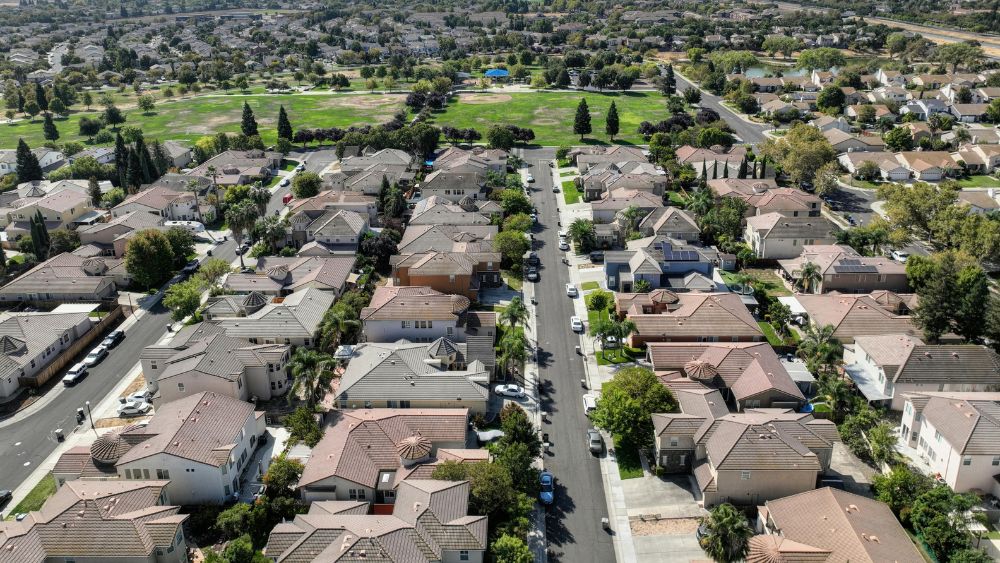
HOAs have been growing steadily over the past few decades.
1970: Approximately 10,000 community associations in the U.S.
2020: The number skyrocketed to over 355,000.
2023: An estimated 365,000 community associations exist nationwide.
Percentage of New Homes with HOAs:
2022: 66% of newly completed homes are part of HOA communities, up from 49% in 2011.
Pros and Cons of Living in an HOA Community
Before you decide whether you’d prefer to live with or without an HOA, consider the trade-offs:
Pros:
Neat and Tidy Common Areas: HOAs keep common spaces well-maintained. No more worrying about an overgrown park or an shabby pool area.
Access to Amenities: Love having a gym next door or a pool without the upkeep? HOAs handle these features.
Community Standards: HOAs set guidelines to keep homes looking good, often helping maintain property values.
Conflict Mediation: Got a noisy neighbor or a fence dispute? The HOA can step in and settle the matter.
Neighborhood Events: Some HOAs organize block parties, holiday gatherings, and other social activities.
Cons:
Fees: Monthly or annual dues are another added expense in your budget.
Rules, Rules, Rules: From paint colors to lawn length, some HOAs can feel overbearing.
Potential for Conflict: Clashes with the board or neighbors over rules aren’t uncommon.
Less Autonomy: Renovations, additions, or even small aesthetic tweaks may need approval.
Tips for Homebuyers

If you're considering buying a home and wondering about HOAs, here are some friendly tips:
1. Research the Area
HOA Prevalence: See how common HOAs are in your target neighborhood.
Community Types: Love the idea of a tennis court at your disposal, or would you rather have a simpler lifestyle?
2. Review HOA Documents
CC&Rs (Covenants, Conditions & Restrictions):Read these carefully. They detail what’s allowed and what’s off-limits.
Financial Health: Look at budgets and reserve funds to assess the HOA's stability.
Fee History: Check if fees have steadily climbed over the years.
3. Consider Your Lifestyle
Amenities vs. Freedom: Prioritize what matters to you. A swimming pool might sound great, but do you want to pay and follow rules for it?
Long-Term Plans: Will HOA dues fit comfortably into your budget down the road?
4. Talk to Residents
Gather Opinions: Chat with current homeowners. They’ll tell you if it’s harmonious or tense.
Can You Avoid HOAs Entirely?
While HOAs exist in every state, it's possible to find homes outside of these communities.
Older Neighborhoods: Established communities often predate the HOA boom.
Rural Properties: Countryside homes rarely come with HOAs, giving you the freedom to do your own thing.
Custom Builds: Purchasing land and building your own home gives you full control.
Conclusion
Does every state have HOAs? Yes, but the number and impact vary widely. Whether you're all-in for community amenities or prefer the freedom of non-HOA living, there's a place for you.
Key Takeaways:
HOAs Are Nationwide: Every state has them, but how common they are differs.
Consider Your Preferences: Think about what's important to you in a community.
Do Your Homework: Research and ask questions before making a decision.
Ready to Find Your Perfect Home?
At NewHomeSource, we're here to help you navigate the journey to your new home—whether that's within an HOA community or not. With our extensive listings and resources, we'll help you find a place that's just right for you.

Michael Letendre
Michael Letendre is a writer for NewHomeSource and Builder Magazine.