
Homeownership is a dream for people all over the world. More than just finding the perfect living space, however, it requires careful financial planning and preparation. Understanding the financial prerequisites involved in purchasing a home will go a long way to making the process smoother. Here you’ll find information on the financial requirements you need to meet before buying a home, as well as actionable advice on how you can improve your financial situation so you can take those first steps towards homeownership.

Down Payments
A down payment is the initial amount of money you pay for a large purchase, such as a car or home. It represents a percentage of the home's total purchase price; it’s your initial investment in the property. The rest of the cost of the home is usually made up through a loan. Saving for a down payment is often one of the biggest and earliest financial hurdles for prospective homebuyers, and knowing what it is and how to save for it will help you jump that hurdle.
Typical down payment amounts usually range from 5% to 20% of the home's price, depending on the type of loan and the lender's requirements. For instance, conventional loans sometimes require a 20% down payment to avoid private mortgage insurance (PMI), which exist for loans with down payments of less than 20%. However, it's possible to find conventional loans with lower down payment options, sometimes as low as 5% or 10%. Certain loan types, like FHA loans, may allow for even lower down payments, often around 3.5% of the home's purchase price. The size of your down payment can significantly impact your mortgage terms. A larger down payment not only reduces the amount you need to finance but can also result in a lower interest rate, saving you money over the life of the loan.
Saving for a down payment requires discipline and planning. A few known ways to start saving include:
Set up a dedicated savings account: Opening a savings account to set aside money for purposes like a down payment is the logical place to start. This will help you keep your funds separate from everyday expenses and make it easier to track your progress.
Automate contributions: Set up automatic transfers from your checking account to your savings account each month. Automating these transfers, regardless of their size, will ensure some consistent level of contribution and let you keep track of your progress.
Look into down payment assistance programs: Explore grants and programs designed to help first-time homebuyers with their down payment. There are federal, state, and local programs all over the country designed to help people with their down payments.

Credit Score
Your credit score is a numerical representation of your creditworthiness, which is to say that it’s a prediction of your credit behavior, how likely you are to pay back your loans based on credit reports. It plays a vital role in determining whether you'll be approved for a mortgage and the terms of the loan, including the interest rate and fees. For example, the higher your credit score, the more likely it is that you’ll get a better deal on your mortgage. Lenders rely on credit scores to assess the risk of lending money to borrowers, making it a critical factor in the home-buying process.
Minimum credit score requirements vary depending on the loan type. For example, conventional loans typically require a credit score of 620 or higher, with higher scores leading to more favorable terms. FHA loans may be more lenient, sometimes accepting scores as low as 500 with a larger down payment. However, borrowers with lower credit scores may face higher interest rates and additional fees, meaning the loan will likely take longer to pay back in full.
Your credit score directly impacts your mortgage rate. A higher credit score typically translates to a lower interest rate, saving you a substantial amount of money over the life of the loan. Even a small difference in interest rates can result in significant savings over the course of a 15- or 30-year mortgage.
Improving your credit score takes time and effort, but it's well worth the investment. A few simple way to improve your credit score include:
Pay bills on time: Consistent, on-time payments are one of the most significant factors in improving your credit score. If you rent a home, payments usually fall on the first of the month, and if you’re paying for a car, note when its payment is due to prepare for it.
Dispute errors: Regularly check your credit report for inaccuracies or errors and dispute them with the credit bureaus. Removing errors from your credit report can go a long way to making sure you get the best deals possible when you apply for a loan.
Avoid opening new accounts: Refrain from opening new credit accounts or taking on additional debt as much as possible before applying for a mortgage. New accounts can lower your average account age and potentially lower your credit score.

Debt-to-Income (DTI) Ratio
The debt-to-income (DTI) ratio is a financial metric that compares your monthly debt payments to your gross monthly income. It’s a significant indicator of your ability to manage your monthly debt obligations, including your potential mortgage, and is closely scrutinized by lenders when evaluating a mortgage application. Lenders use this ratio to assess your capacity to comfortably afford your mortgage payment along with your other existing debts.
Different lenders have different standards for their evaluations, but an ideal DTI range is generally under 36%, including the anticipated mortgage payment, property taxes, and homeowners insurance. However, some mortgage programs may allow for a higher DTI, sometimes as high as 40%, particularly for borrowers with strong credit scores or substantial assets. A high DTI ratio can indicate financial strain, suggesting that a significant portion of your income is already allocated to paying off other debts. This can make it more difficult to secure a loan, as lenders may perceive you as a higher-risk borrower and therefore less capable of making your payments on time.
Improving your DTI ratio takes a strategic approach to managing your debts and income. Here are a few strategies to lower your DTI ratio:
Pay down existing debt: Challenging as it can be, one of the best ways to help reduce your DTI ratio is by reducing your outstanding debts, such as credit card balances, student loans, and auto loans. Focusing on paying off high-interest debts first can help increase your savings.
Avoid taking on new debt: Refrain from incurring new debt or increasing your existing debt balances before applying for a mortgage to the best of your ability. This includes avoiding new credit cards, personal loans, and auto loans; if you have outstanding ones, focus on making those payments before taking on new loans.
Consider refinancing or consolidating debt: Refinancing high-interest debt or consolidating multiple debts into one loan, when possible, can lower your monthly payments, making it easier to manage your debt obligations and improve your DTI ratio.

Employment History
Lenders view job stability as a sign of financial reliability, showing your ability to maintain a consistent income stream and meet your financial obligations. A stable employment history provides assurance to lenders that you are likely to continue earning a steady income, reducing the risk of you potentially defaulting on your mortgage.
Lenders generally prefer to see a stable work history, often requiring at least two years in the same job or industry. Frequent job changes or gaps in employment may raise concerns for lenders, potentially impacting your mortgage approval. Consistent, stable income makes you a more attractive borrower, increasing your chances of securing a mortgage with favorable terms.
Employment history, while somewhat dependent on outside factors, is a significant factor in your ability to land a good mortgage. A few things you can do to help improve and track it include:
Keep your current job: If possible, stay in your current role or seek employment in a position with similar duties and responsibilities. This demonstrates stability and consistency to lenders.
Maintain financial records: If you are self-employed, it's essential to keep clear and organized financial records and tax returns to demonstrate both consistent income and your ability to accurately track your finances. Lenders may request several years of tax returns to verify your income and assess your financial stability, so make sure you hold on to them.
Explain employment gaps: Be prepared to provide documentation and explanations for any gaps in your employment history. Lenders may be understanding of employment gaps due to factors like education, family care, or health issues, but clear documentation will go a long way to helping you get a more favorable loan.
Additional Tips for Securing a Mortgage
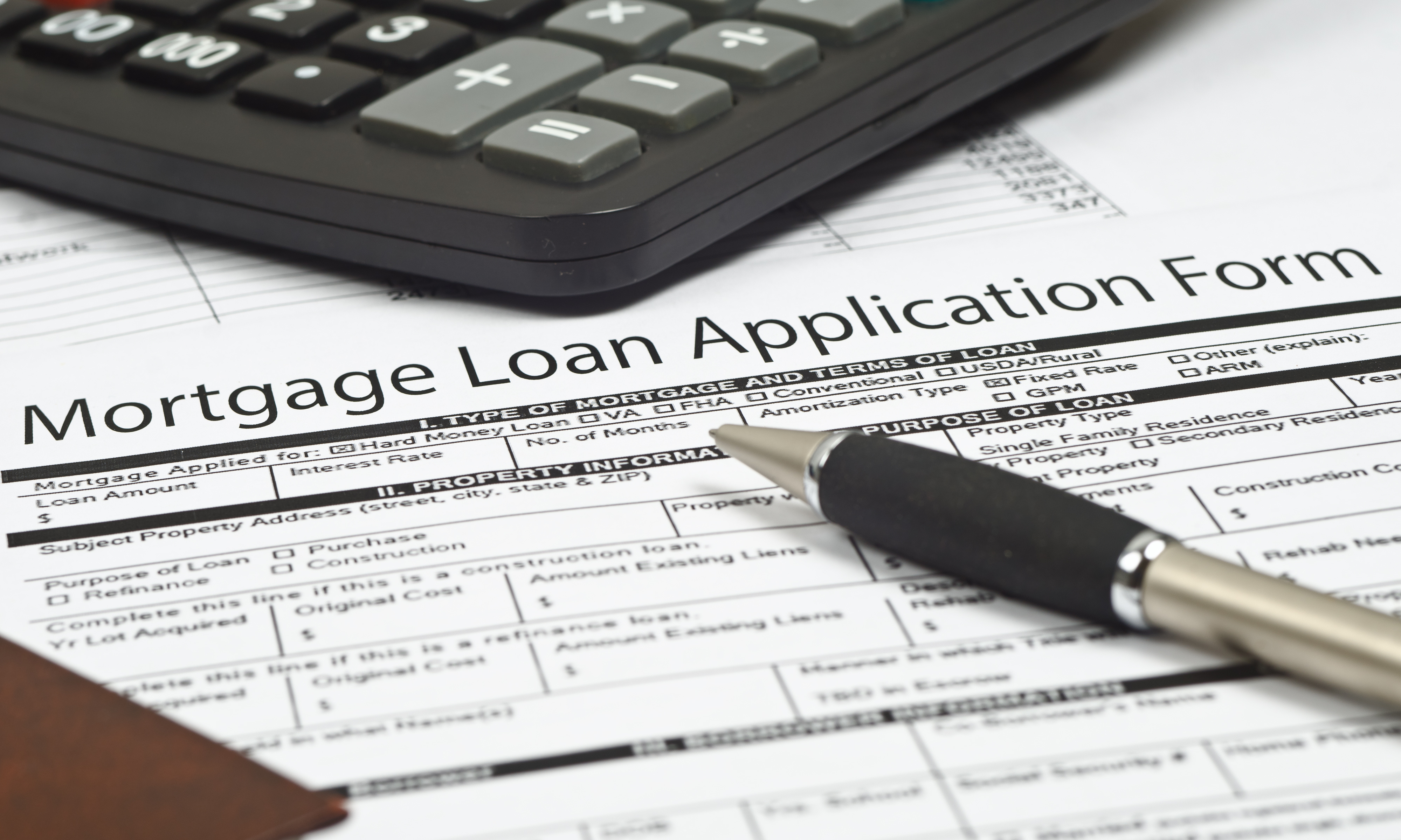
Here are additional tips to help you navigate the mortgage process and increase your chances of securing the best home loan you can get:
Research mortgage options: Take the time to understand the different loan types available to you, such as fixed-rate mortgages, adjustable-rate mortgages, and FHA loans. Each loan type has its own set of requirements, benefits, and drawbacks, so it's important to select the one that best fits your financial situation and goals. This guide to mortgage terminology will help you understand the process better.
Get pre-approved: Obtaining a pre-approval letter before you start house hunting will help you stand out as favorable to lenders. Pre-approval involves the lender reviewing your financial information, including your credit score, income, and assets, to determine how much you can borrow. This shows sellers that you're a serious buyer and makes your budget clearer, allowing you to focus your search on homes you can realistically afford.
Consider a co-signer: If you have weak financial standing, such as a low credit score or limited income, consider asking a trusted family member or close friend to co-sign your mortgage. A co-signer with a strong credit history and income can improve your chances of approval and may help you secure more favorable loan terms.
Understand all costs: Beyond the down payment, you’ll want to be aware of additional costs associated with buying a home, such as closing costs, property taxes, homeowners insurance, and potential homeowners association (HOA) fees.
Finances can sometimes be a complicated and uncomfortable topic, but if owning a home is your goal, you’ll want to familiarize yourself with yours and what’s required for buying a home. Assess your current financial situation honestly and take proactive steps to improve it in each of these areas, to the best of your ability. While the process may seem daunting, remember that careful planning, financial discipline, and seeking professional guidance can help alleviate some of that stress. By taking the time to prepare, you can increase your chances of securing a good mortgage and enjoying the benefits of owning your own home.
To learn more about home finance and the home-buying process, visit newhomesource.com/learn.

James Klingele
James Klingele holds a Bachelor of Science in Digital Media Innovation from Texas State University. He is a digital media specialist and content creator with a passion for storytelling in both print and digital formats. His work has included covering high-profile events like SXSW, where he contributed to content creation for global audiences. He has been a content specialist for NewHomeSource since 2024.