
Life is full of twists and turns. As you age, it becomes crucial to regularly review and update your will to ensure your wishes are honored and avoid potential family disputes or unintended distribution of assets. Imagine your children discovering that a former son-in-law or daughter-in-law—who should no longer be involved after a divorce—still has inheritance rights due to an outdated will. Feelings can get hurt when your wishes are not known.
An estate planning checklist plays a vital role in maintaining a relevant and accurate will. Revisiting your personal circumstances, asset values, including your home, and beneficiary designations can help prevent complications and a joyful retirement. This article aims to provide you with the ultimate estate planning checklist to ensure a well-crafted will and protect your legacy by avoiding unnecessary stress, disputes, and unintended consequences for your loved ones.
Key Terms
| Term | Definition |
|---|---|
| estate planning | the process of managing and distributing one's assets after death and making arrangements for managing assets and financial obligations for an individual that becomes incapacitated |
| executor | a person or entity appointed to carry out the terms of a will |
| beneficiary | a person designated to receive the income or assets of an estate |
| trust | a legal entity that holds assets for the benefit of others |
| power of attorney | a legal document that gives another person the authority to make decisions about your finances and property |
| healthcare proxy | a document with which a patient appoints an agent to legally make healthcare decisions on behalf of the patient, when the patient is incapable of making and executing the healthcare decisions |
Checklist for Homeowners

1. Review Your Will Periodically
Annually
Consider making a review of your will an annual habit, similar to any other regular financial check-up. Revisit any life experiences that may need to be reflected in your will. A good way to ensure this happens is make it part of your annual New Year's resolutions.
Major Life Changes
You should address your will immediately for significant events including birth of children, marriage, divorce, and death of a loved one. Any of these milestones can impact your estate planning choices. Adjust your will accordingly to avoid any confusion after your passing.
Moves
If you buy or sell a home, your will should capture the current information on any debts or assets associated with a new home. This includes address, mortgages, insurance, and deeds.

2. Choose Your Executor
Select a Trustworthy Executor
Choose a person that will manage your wishes with integrity and responsibility. This could be a family member, friend, or a legal professional. They will act in your behalf to make sure your will is followed per your wishes. Have a conversation with your executor, so they can better disperse your assets according to your desired plan.
"It’s important to choose someone who can be diplomatic and handle family dynamics, particularly when you’re transferring wealth from one generation to another," says Tracey Woo, director of the professional practice group at RBC Wealth Management. She points out that choosing a family member from blended families is often a concern.
Backup Executor
It is always a good idea to name a backup executor. Should the actual executor not be able to fulfill the role, your second choice can mete out your wishes. Ensure that your backup executor is someone who can act independently and doesn’t have a conflict of interest with the primary executor.

3. Update Beneficiaries
Beneficiary Designations
Coordinate with your insurance, retirement accounts, and life insurance policies so that your beneficiary designations align with your will. If there is a discrepancy, this can lead to disputes and unnecessary expenses.
Family Dynamics
Families grow and change. If a situation such as a death or falling out with a designated beneficiary has occurred, it may necessitate an update to your will. When creating a will, the intent is for it to be a solid document but, occasionally, there may be some adjustments needed.
4. Prepare Real Estate Ownership & Property Considerations
Real Estate Ownership
All properties, including a new home, should be clearly specified in your will. Additional properties could include vacation homes, rental properties, and other real estate assets. If there is joint ownership of a property with a spouse or child, clarify the transfer of the property upon your passing.
Mortgages and Debts
If you carry a mortgage on a property, ensure there is a plan for the debt. Leave instructions for the executor to pay off remaining balance or make arrangements to sell off the property.
Home and Property Considerations
Whether you choose to pass your home to your children or loved ones, specify any conditions you may desire including necessary repairs or your preference for home to stay within the family. Vacation homes, rental properties, or other real estate all need to be designated to a beneficiary or may be liquidated to fund your estate.
Property Across State Lines
Laws are different across states, consult with an estate planning attorney to be sure your will is valid in another state. Property transfers fall under different rules in different states.
5. Account for Future Care
Long-Term Care Plans
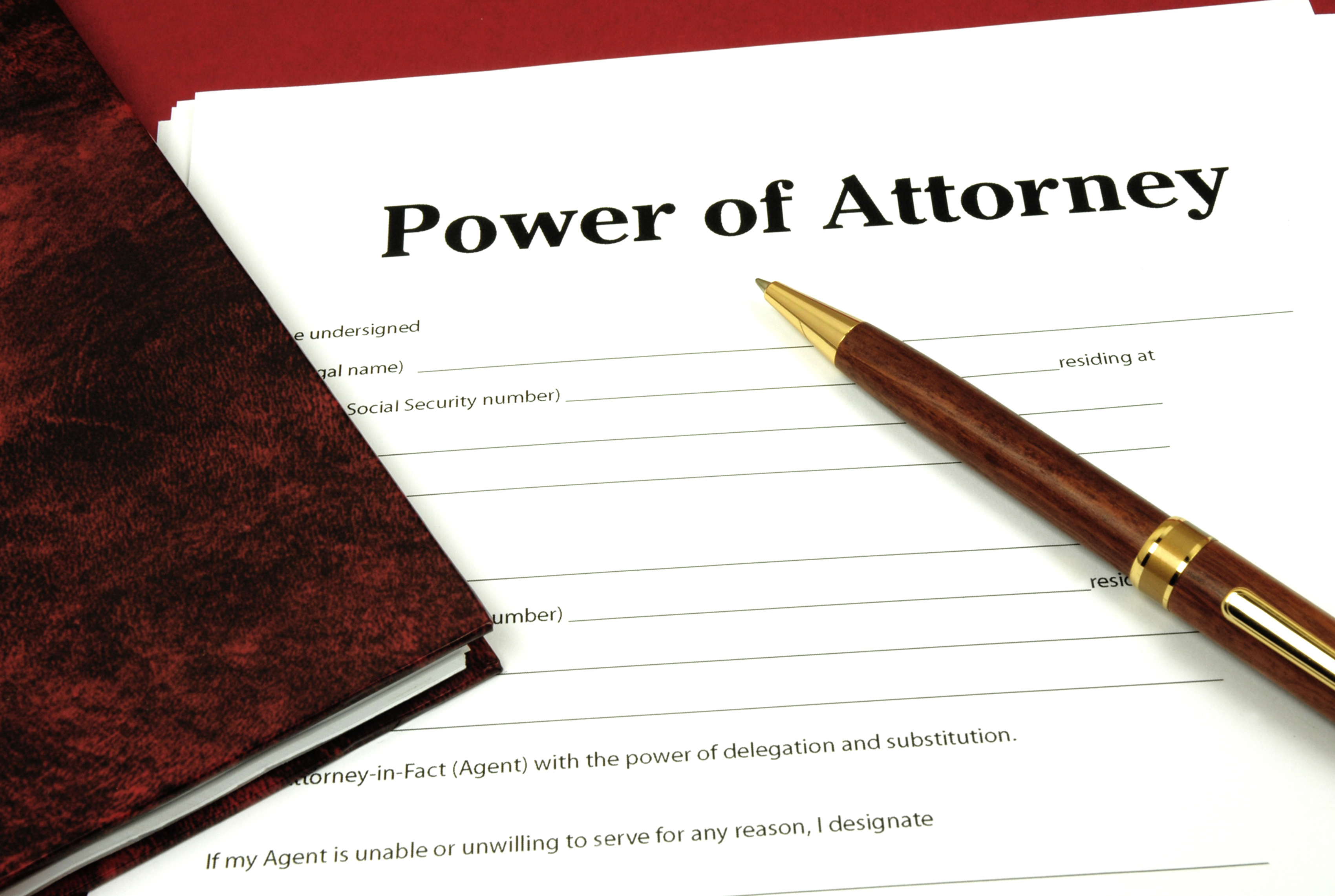
Update your will with any provisions regarding your care if you become incapacitated. This includes naming the power of attorney and a healthcare proxy. If you have preferences for caregivers and health care providers, please make that known.
Estate Trusts
Consider a living trust for estate tax concerns. The benefits of a trust include speeding the transfer of assets process and avoiding probate. A legal professional can provide the guidance you need to set this up.

6. Seek Help from an Estate Planning Professional
Professional Advice
A financial advisor or estate planning lawyer has the essential help that will structure your distributions, minimize taxes, and facilitate the process for family members. A professional will let you know what estate taxes to expect and offer strategies like setting up a trust to reduce the tax burden.
Documents
These professionals can create your estate planning documents with accuracy and attention to your particular needs while following state and legal guidelines.

7. Update Digital Assets
Digital Assets
In today's modern world, it will be necessary to make some updates to digital assets including cryptocurrency, online accounts, and social medial profiles. Your online presence makes up a large portion of your legacy.
Accurate Paperwork and Passwords
Leave account numbers, websites, and passwords in a safe place to allow your heirs to access, close accounts, or update information on your behalf. Consider using digital asset management tools to store passwords and instructions for your online accounts, ensuring your heirs can easily access them. Automated payments, credit card accounts, Facebook, etc. can all easily be adjusted with one of these online asset tools. Select an app that utilizes encryption and has sharing capabilities.

8. Update All Legal Documents
Living Will, Financial Power of Attorney, and Healthcare Proxy
These legal documents cover you in the event of incapacitation for both your medical treatment and decisions and financial affairs including bills, property, and investments on your behalf. Again, a legal professional can prepare these documents.
Proper Authorization
Be sure to sign your will in the presence of at least two witnesses who are not beneficiaries of your estate. Witnesses should sign in your presence. Most states require witnesses to be at least 18 years old, and some may also require notarization depending on local laws.

9. Schedule a Family Discussion
Be Transparent
Gather the family together or speak to them individually. Have an open conversation about your will and your wishes. Transparency will go a long way to prevent disputes and hard feelings. Alleviate any misunderstandings as to why you have made specific decisions to ensure everyone is on the same page. The last thing any family wants to deal with is hard feelings once a loved one has passed. This is always a stressful time and a well-written will go a long way to put your family at ease.

10. Store Your Will Safely
Secure Your Will
Store your will in a safe, accessible place. Many people choose to store their wills in a safe deposit box, home safe, or in an attorney's office. Communicate with your executor on the location of your will and make sure safety deposit key and safe combinations are accessible.
Digital Copies
An extra measure of security is to have a digital version of your will for easier access. While a digital copy can be convenient, it should be stored securely, such as in an encrypted cloud storage service or password-protected location.
By regularly reviewing your will, addressing changes in your life, and consulting with professionals, you can avoid complications for your family members in the future. Make the proactive decision to maintain your will. This will ensure that your home and assets are managed to your specifications after your passing. It is definitely worth the effort today to protect your legacy and establish your family’s peace of mind.
Julie Gordey
A lifelong educator, Julie Gordey, is a retired school administrator. After years of focusing on education, this University of Texas graduate now travels and enjoys freelance writing for BDX and NewHomeSource.com.