
Space is one of the most valuable commodities in your home.
Even newly built houses can feel cramped if space isn't used smartly. Luckily, a few thoughtful design choices can maximize every square inch.
1. Start with Multifunctional Furniture
When space is tight, furniture should do more than just look good. Try to find pieces that can also provide storage space: benches with under-seat storage, beds with built-in drawers, or coffee tables with hidden compartments. These can go a long way to keeping clutter hidden and your space open.
“Storage ottomans are a great way to get things out of the way, but still accessible. These are great places to store blankets or even toys,” said Heather Mastrangeli, Interior Designer for Innovatus Design. “In a bedroom, storage ottomans can hold out-of-season clothing, shoes, or extra linens.”
2. Think Vertical
It’s easy to focus on floor space and forget about all the room above eye-level. Install tall shelves or cabinets that stretch upwards, giving you extra space for storage. If you don’t have a lot of vertical storage options, a few smart color changes can make a room seem bigger.
“To make a room feel more spacious, draw the eye up” said Erin Wheeler, Designer and Founder of Sunny Circle Studio. “You could color drench the room, where the trim and ceiling are painted the same color as the walls. This gives the illusion of a more expansive space since there’s no hard line of separation that defines it or makes it feel boxed in.”
3. Open Floor Plans
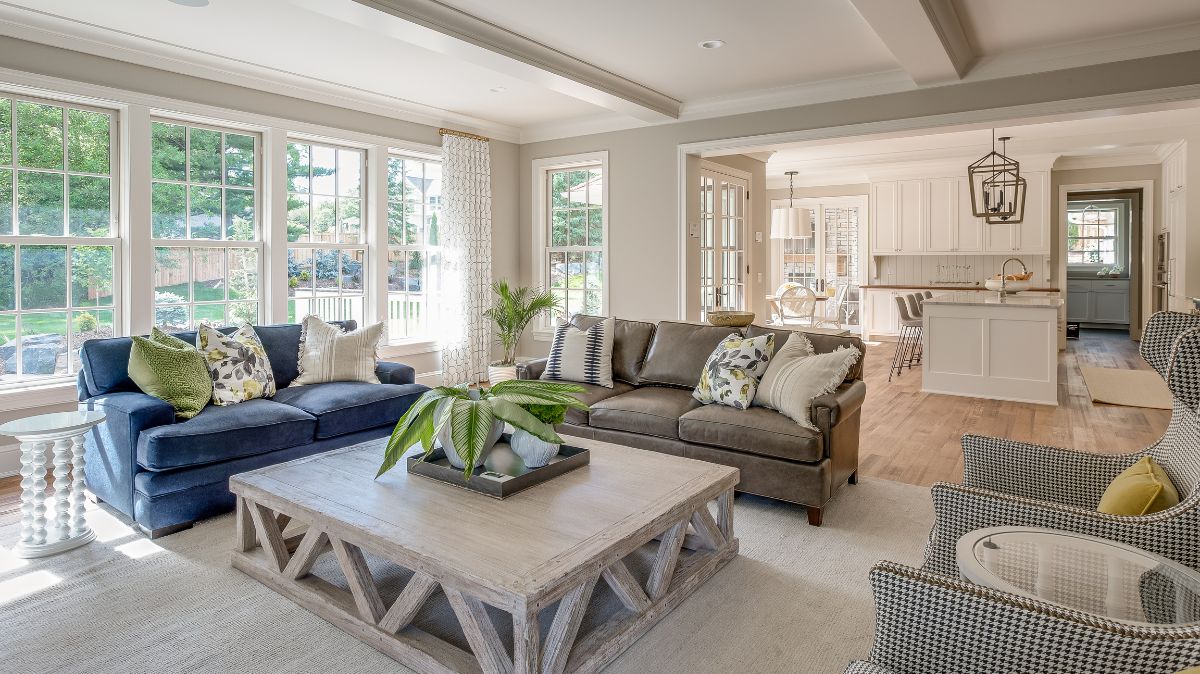
When choosing your layout, go open. Walls and partitions shrink spaces visually and physically. Open floor plans let rooms flow naturally, creating a more spacious feel even in a smaller home.
Need some separation? Use rugs or furniture placement to define areas without blocking sightlines.
“When selecting an area rug for a room, ensure that the front half of the furniture is on the rug,” Mastrangeli said. “This creates a well-rounded seating grouping and the focus becomes how you experience the space.”
4. Brighten Up Your Colors
Color choice is more than just an aesthetic choice. It directly impacts how big a space feels. Lighter shades (whites, creams, soft pastels) reflect light and create a sense of openness. Darker shades can feel cozy, but use them sparingly.
“When trying to make a space feel more spacious, avoid saturating the space in dark colors. Painting full rooms black, forest green, and navy blue is a sure way to make a space feel smaller,” Mastrangeli said.
5. Mirror Mirror
Mirrors are a secret weapon for making small spaces seem larger. Position them strategically across from windows or in narrow hallways. They bounce natural light around the room, giving the illusion of extra square footage.
6. Smart Storage Solutions
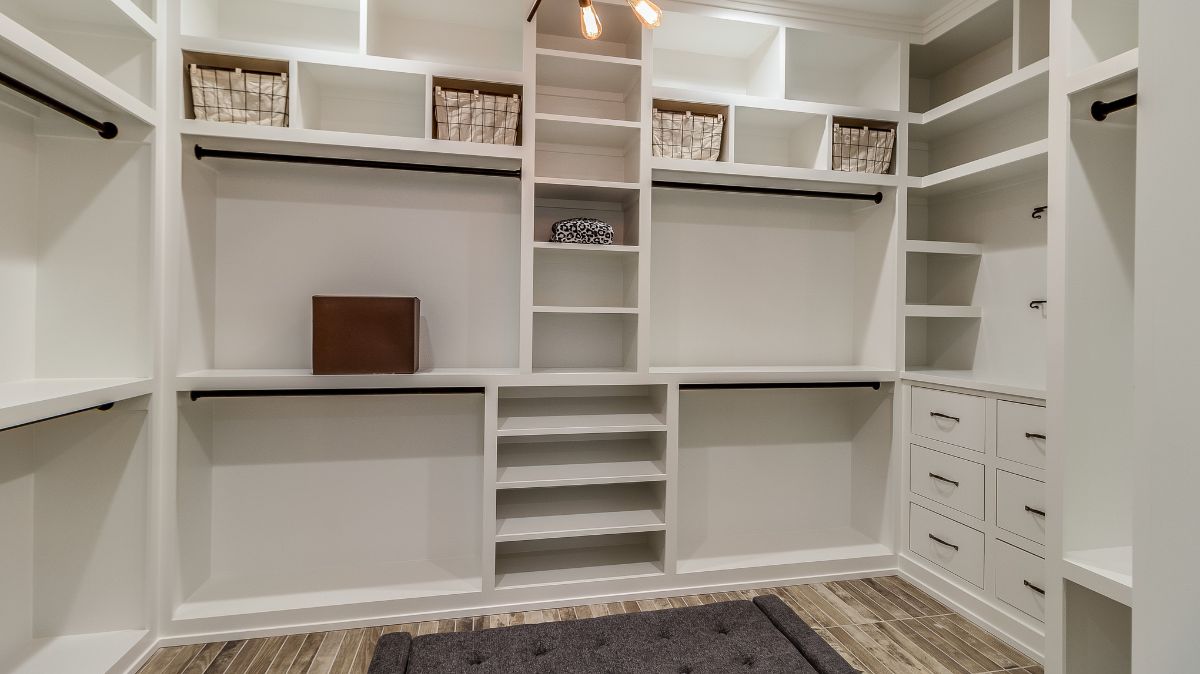
Nothing shrinks a room faster than clutter. Try to integrate smart storage solutions directly into your home’s design. Choosing built-ins, closet organizers, and customized cabinetry can dramatically improve your home's functionality and aesthetic without crowding the space. If it’s too late for built-ins, there are still storage options that can free up your floor.
“Opting for a few floating shelves saves precious floor space over a traditional bookcase,” Wheeler said.
7. Lighting Layers
Good lighting can transform tight spaces. Layer your lighting — ambient overhead fixtures, task-specific lights under cabinets, and decorative lamps for corners. Multiple lighting sources prevent shadows and brighten every corner, opening up the room visually.
8. Choose Furniture Proportionately
Giant couches or oversized tables can dominate smaller rooms. Choose furniture proportionate to the space available.
“Using furniture that’s too heavy or big, and having too much of it is the quickest way to make a home feel cramped,” Wheeler said.
Don’t forget to leave enough space between the wall and your furniture. If it’s a high-traffic area, leave around 42” - 48” of space so that two people can still pass each other.
9. Go Minimalist (Sort Of)
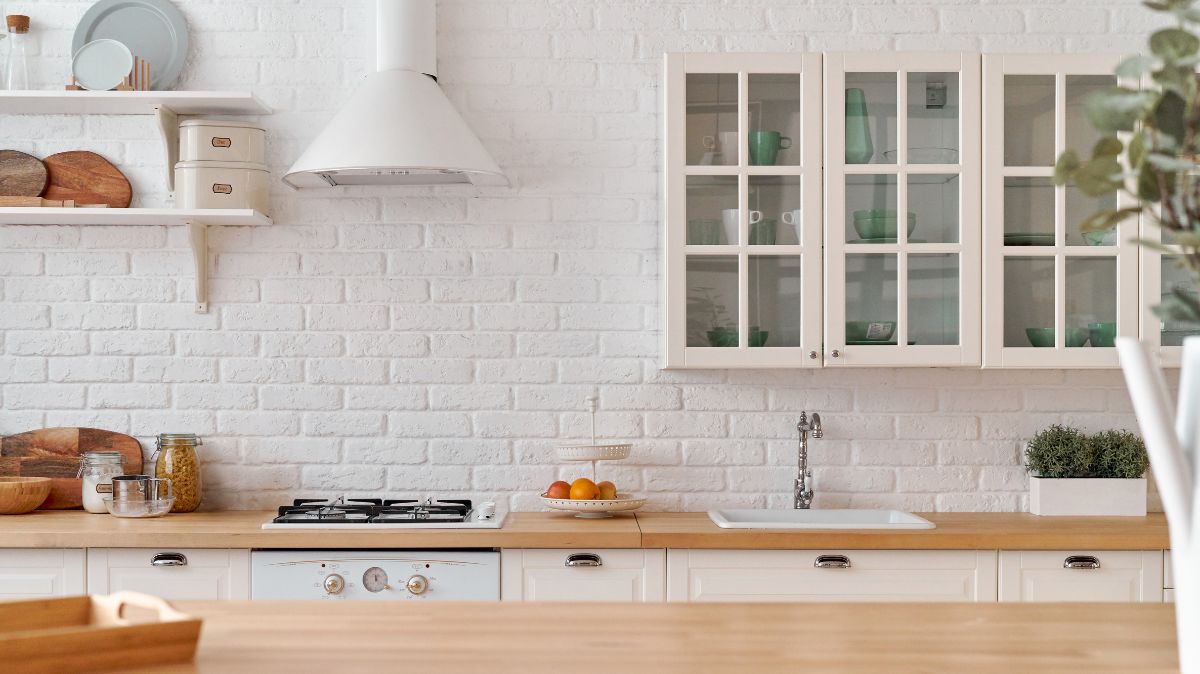
You don’t have to embrace full minimalism, but a "less is more" approach can significantly impact how spacious your home feels. Keep surfaces clear, decorations purposeful, and collections curated. You’ll instantly notice a difference in how open your rooms feel.
10. Keep Things Cohesive
A cohesive color scheme or decor theme throughout your home ties spaces together, helping them feel part of one larger, connected area. This subtle trick prevents visual clutter, making each space feel intentional and spacious.
Space is often more perception than square footage. By making a few key design choices, your new home will feel larger, brighter, and perfectly tailored to your lifestyle.

Michael Letendre
Michael Letendre is a writer for NewHomeSource and Builder Magazine.