
There is something magical about Arizona—from painted desert landscapes to buzzing city centers—that brings people from all walks of life. Some come in search of adventure in places like the iconic Grand Canyon, while others hope to soak up 300 days of sunshine a year. But like any place, living in Arizona comes with its own unique set of perks and challenges. Before packing up and heading to the Grand Canyon State, it helps to understand the climate, culture, and day-to-day realities that shape life in Arizona.
Endless Sunshine and the Desert Backdrop
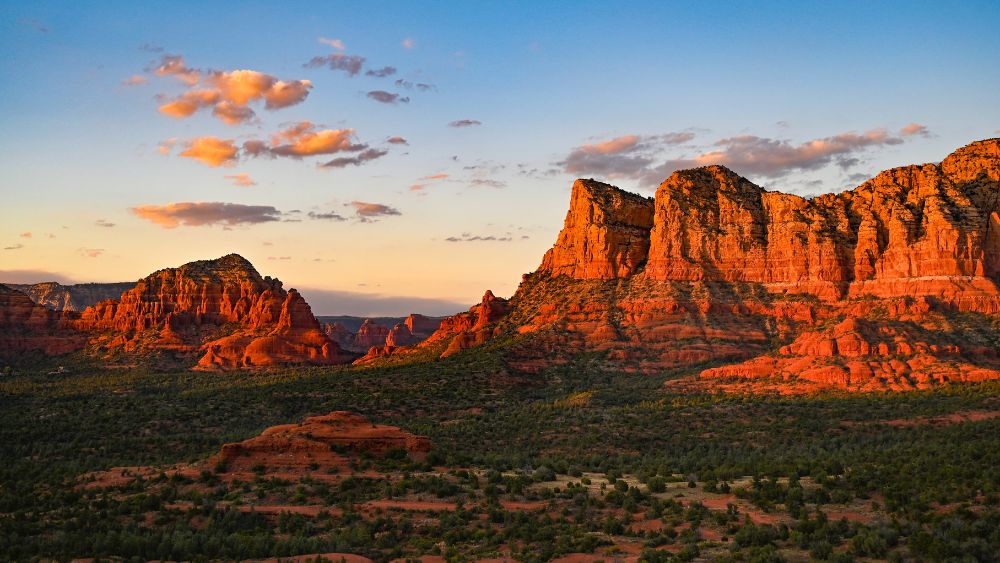
One of Arizona’s greatest calling cards is its near-constant sunshine. Not having to worry about relentless rain or extended winters is a relief to many, especially those leaving cooler climates. But, there is a flip slip to the constant blue skies: afternoons can be scorching, often pushing thermometers well above 100°F during the summer months.
Everyone knows about the desert and the sunshine, but one aspect of Arizona that surprises a lot of newcomers is the variety of landscapes. Desert regions are iconic—giant saguaro cacti frame purple and red Sonoran sunsets—but the state also has pine forests, grasslands, and mountainous zones. It’s possible to build a snowman in Flagstaff or ski near Alpine in winter, then drive back to the desert all in a single day. The scenery truly can feel like a painter’s portfolio, shifting drastically as you travel.
Of course, intense sun means taking heat seriously. The dryness can be a relief to those who dislike humidity, but it also requires some extra care. Hydration and sunscreen become part of the daily routine. Power bills spike when air conditioners chug away nonstop. Even the car’s steering wheel can feel like a branding iron if left in the sun all afternoon. But for many, the perks of reliable sun—morning jogs, evening strolls, and an overall brighter mood—make the trade-offs feel worthwhile.
Outdoor Adventures in Arizona
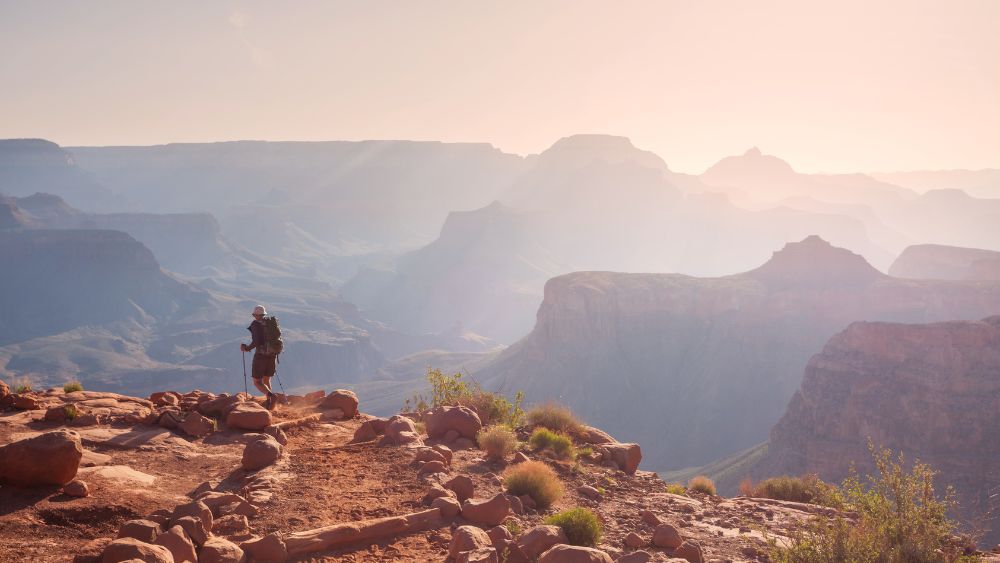
The Grand Canyon is one of the most celebrated natural wonders of the world. It’s one of the biggest draws in Arizona, but it’s far from the only spot for outdoor thrills. Hiking and camping opportunities can be found all across the state, from the sculpted rocks of Sedona to the high-elevation lakes near Show Low.
Arizona can be a paradise of activity for outdoor enthusiasts:
Hikers can choose from terrain ranging from gentle desert trails to steep, red-rock climbs.
Water lovers find boating, fishing, and kayaking on lakes like Lake Powell or Lake Havasu.
Those who love winter in places like Flagstaff or the White Mountains can ski or snowboard in powder conditions.
Rock climbers can chase adrenaline on the boulders and cliffs that are found all over the desert.
The only drawback is that the heat can, again, become a limiting factor. Summer adventurers have to adjust by heading out at sunrise or aiming for cooler, higher elevations during midday. Flash floods also occur during monsoon season. Dust storms (locally known as “haboobs”) sometimes blow in, reducing visibility and reminding everyone just how dramatic the desert can be. Even with having to deal with nature’s extremes, there is still so much to offer for those who love the outdoors. There’s always a new trail, lake, or canyon to explore once the sun dips or the air cools.
Housing, Costs, and Making a Home in the Southwest
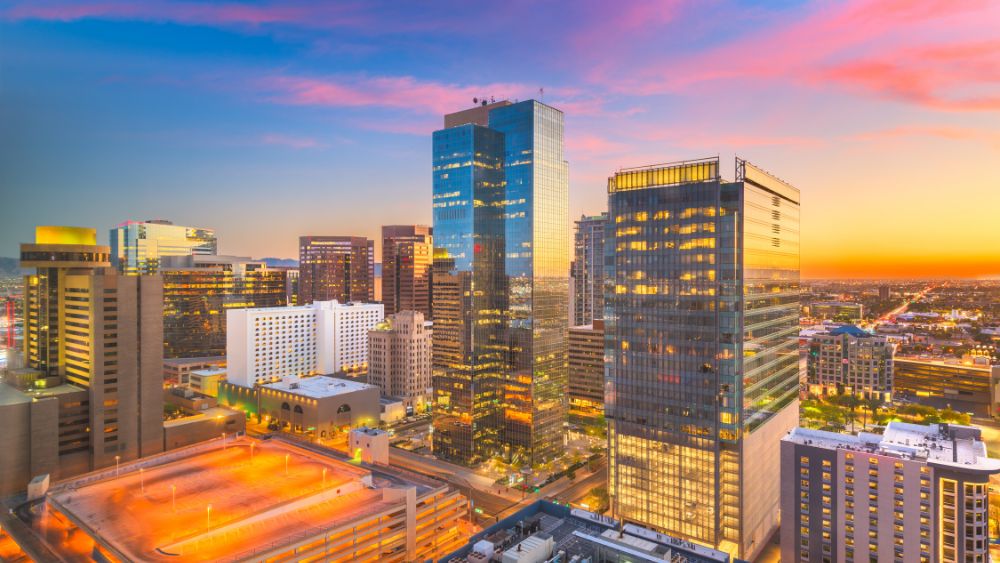
Arizona’s housing market varies wildly, but it’s typically more wallet-friendly than a lot of coastal regions. Phoenix and Tucson, the two big urban centers, have seen real estate growth, balancing affordability with rising demand. Suburbs or smaller towns outside the big sities still offer lower prices, but the commute may be longer for those who need city amenities or job opportunities.
For those who are looking for a new construction home, a lot of the newer homes around the desert come equipped with energy-efficient design: heavy insulation, modern HVAC systems, or even eco-friendly landscaping. These upgrades are great for those who are environment-minded, and they can ease monthly bills in a place where cooling costs skyrocket in the blazing summer. Property taxes also sit near or below the national average in a lot of communities, though sales tax rates can vary from one municipality to the next.
Still, day-to-day expenses aren’t limited to rent or mortgage payments. Air conditioning can become a year-round friend, and that electricity meter churns faster during hot stretches. Grocery prices are in line with the national average, but those living in remote areas might not have as many cost-saving store options. Transportation is largely dependent on having a car—only certain pockets of Arizona have a lot of public transit options. Adding up gas, insurance, and maintenance can bump up the monthly budget.
Homebuyers often find that a new construction community can be an ideal fit if they want modern amenities built to withstand desert extremes. Energy-efficient windows, specially treated roofs, and improved insulation all go a long way toward keeping that precious cold air inside. If you are looking for a cozy condo in downtown Phoenix or a spacious home overlooking the mountains near Prescott, there are a wide spectrum of housing styles accommodates just about every taste.
The Famous Desert Heat (and How to Survive It)
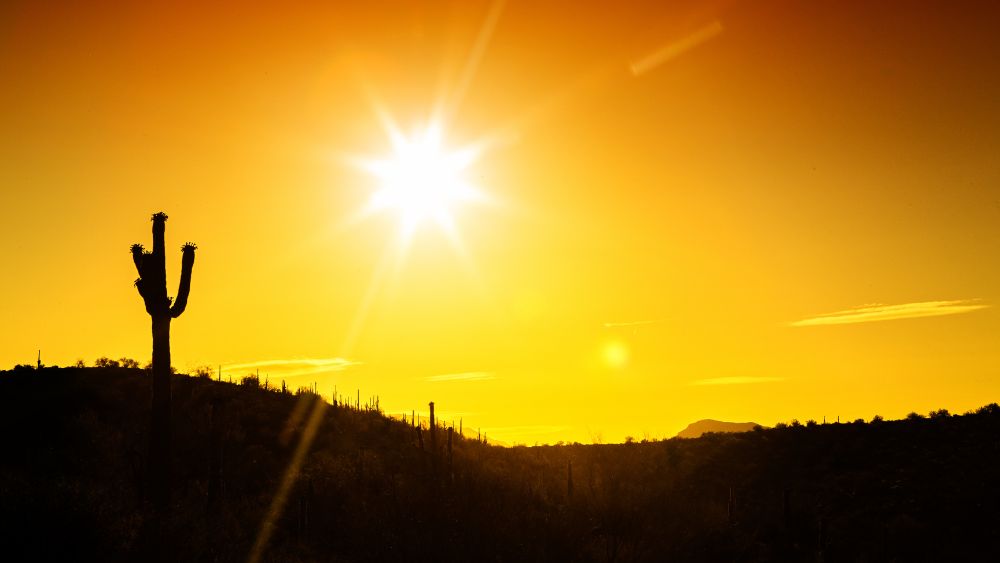
It’s impossible to talk about Arizona without addressing the heat. When July and August roll around, stepping outdoors in places like Phoenix can feel like walking straight into a furnace. Even late evenings remain toasty, and car dashboards can register well over 120°F after a day in the sun.
Residents learn some tactics:
Adjust schedules: Early-morning hikes or runs become standard; errands get squeezed into cooler hours.
Embrace shade: A wide-brimmed hat can be a life-saver, and parking a car under any form of canopy is invaluable.
Stay hydrated: Water bottles appear everywhere, along with strong opinions about the best brand of electrolyte drinks.
For those willing to adapt, the heat is like an annual endurance challenge that’s balanced by mild winter months. In December or January, daytime temperatures might hover in the 60s or 70s, drawing envy from friends trapped in icy weather elsewhere. The dryness can be beneficial for individuals with certain joint or respiratory issues who find relief when humidity takes a vacation. Still, it pays to take the heat seriously—dehydration and heatstroke can sneak up on people who underestimate the desert’s intensity.
Culture, Heritage, and Social Life
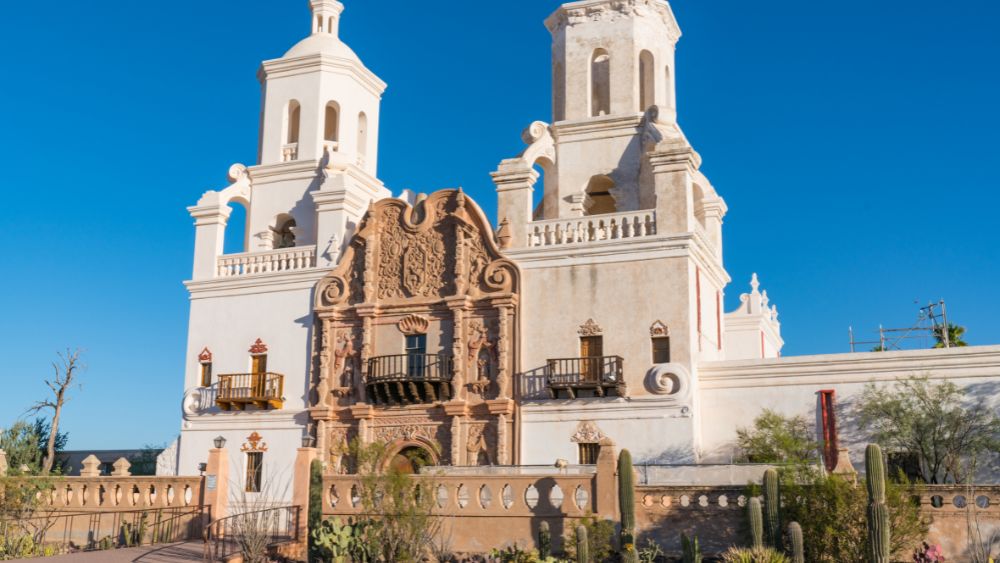
Arizona’s identity is shaped by many hands. Indigenous communities have inhabited these lands for millennia, leaving a tapestry of traditions, arts, and stories that continue to color local culture. Mexican heritage is also deeply woven into daily life, evident in the cuisine, festivals, and bilingual signage. Add in Spanish missions, Old West history, and steady waves of newcomers over the last century, and the cultural blend is like nowhere else.
Phoenix and Tucson are especially vibrant hubs, home to museums, theaters, and culinary scenes that highlight the state’s diverse roots. Salsa dancing nights, art walks, Native American craft fairs, and unique celebrations like Día de los Muertos showcase the area’s wide-ranging influences.
Smaller towns in Arizona have their own special appeal. Places like Bisbee or Jerome attract artists and free spirits, drawn to the scenic surroundings and a laid-back pace. Preserving local history is important throughout the state, and it can be found in projects like restoring mission churches or maintaining old territorial-era buildings in tiny desert towns. Anyone who loves discovering new cultural pockets will find no shortage of events, fairs, or museums to explore.
The Rise of “Snowbirds”

The name “snowbird” is getting used more and more often in warm states like Arizona. It refers to the seasonal visitors—often retirees—who flock to the desert when their home states enter a winter freeze. From October through March, traffic can get heavier, golf courses fill up, and restaurants see lines out the door. This seasonal population boost injects energy into the region, though some year-round locals grumble about crowded roads and busy amenities.
Anyone who loves a weekend road trip will find Arizona a perfect launching pad. Winding highways connect drivers to scenic wonders such as Sedona’s red rocks, the pine-scented mountains near Payson, or the desert oases around Lake Havasu. Jumping on the interstate also opens up drives to Southern California, Las Vegas, or New Mexico, expanding weekend getaways with relative ease—just be sure to check that gas tank before venturing too far into the wide desert expanse.
Desert Landscape Realities

If you happen to be on the squeamish side, know that Arizona is home to a wide array of wildlife. Rattlesnakes, scorpions, and tarantulas share the desert and it’s not uncommon to come across them. Households learn to keep an eye on shoes, especially if the home sits close to open desert. Sealing gaps under doors and windows helps reduce indoor run-ins.
This wildlife is part of what makes the ecosystem so unique. Watching a roadrunner (they’re not just in cartoons) dash across a backyard or hearing coyotes howl at night can be a special experience. There are javelinas (bristly, pig-like animals) that occasionally roam neighborhoods in search of food. Proper garbage management is important in places where so much wildlife is so close by—nobody wants to provide a midnight buffet to curious critters.
Desert living also involves dust storms (also called haboobs) that roll in, especially during monsoon season. You might expect to see a towering brown cloud sweep over a city, reducing visibility to nearly nothing within minutes. Veteran residents know to close windows, bring in lawn furniture, and avoid driving until the storm subsides. Monsoon rains, when they hit, can flood roads quickly. This not only quenches the parched soil but also adds an unpredictable element to daily life during those months.
Community Connections
With so many people relocating from other states—California, the Midwest, the East Coast—Arizona’s population has become quite the melting pot. Community events, neighborhood block parties, and local Facebook groups often pop up to help newcomers connect. HOAs (Homeowners Associations) are also prevalent in many newer developments, setting guidelines for landscaping and architectural appearance. While some find these rules restrictive, others appreciate the consistent, tidy look of the neighborhood and the shared amenities HOAs often provide, like pools or community centers.
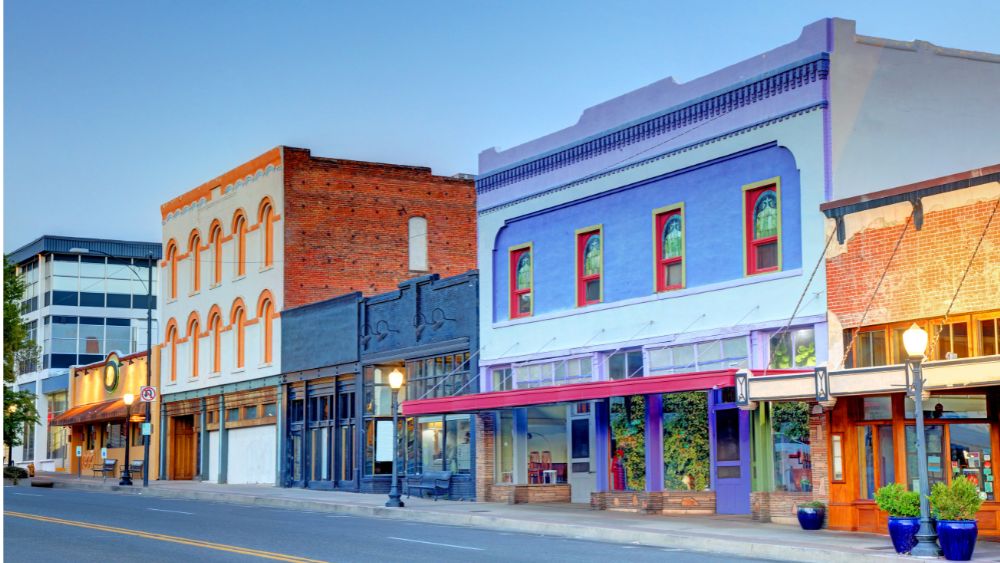
In cities, downtown districts buzz with nightlife, sports bars, festivals, and farmers’ markets on the weekend. Phoenix’s Roosevelt Row, for example, is known for its artsy vibe, with murals splashed across building exteriors. Tucson’s 4th Avenue bustles with live music spots, vintage shops, and some of the best burritos in the Southwest. Smaller towns introduce an older, Old West feel—like strolling down a historic main street in Prescott, popping into antique shops, or enjoying the daily ring of the courthouse bells.
Making friends can be as easy as joining a hiking club, attending local festivals, or striking up a conversation about the best place to get tacos. Most residents share a bond over the weather—mutual respect for beating the heat in summer or celebrating that sweet temperature dip in winter. Over time, neighbors often become a support system, which can transform any street into a real community.
The Education Outlook

For families with children, the school situation is a key part of any move. Arizona offers a mix of public, private, and charter schools. The public school system has garnered criticism, with average rankings that lag behind other states, but individual districts vary widely. It’s worth carefully checking local school performance reports or touring prospective campuses before committing to a particular area.
Charter schools are quite common, offering specialized approaches—STEM, fine arts, language immersion—to suit different learning styles. Meanwhile, higher education is strong: Arizona State University, the University of Arizona, and Northern Arizona University anchor a network of colleges and community institutions. Young adults can pursue degrees in everything from biotechnology to environmental science, fueling job growth in healthcare, tech, and research fields.
The Economic and Job Market Picture

Arizona has diversified since its days of relying heavily on agriculture, mining, and tourism. Modern industries like semiconductor manufacturing, aerospace, healthcare, and renewable energy have expanded, particularly around metropolitan Phoenix. Software companies and big tech are also finding a home here, thanks to business-friendly policies and a rising tech talent pool.
Career-minded individuals often find the job market lively, with new companies sprouting up to take advantage of comparatively affordable commercial space. The big question is whether wages keep pace with the rising cost of living in popular areas. Some households might see big potential in the region; others could find pay scales mismatched with their housing ambitions.
Remote work also resonates with many new arrivals, especially if they can choose a cozy neighborhood in the desert without sacrificing a career path. Fast home internet is usually available in city suburbs, though those living at the fringes or in rural zones might want to double-check connectivity before signing a lease or mortgage.
Weighing the Ups and Downs

Relocating to Arizona can mean trading snowy winters for sun-drenched days, discovering a vibrant cultural patchwork, and taking on an environment with occasionally extreme conditions. Some people thrive on that interplay of desert heat and scenic wonder, forging strong community ties and feeling at home amid cacti and canyons. Others realize the dryness and high summer temperatures are more challenging than anticipated or miss the green landscapes of their former states.
Each aspect of daily life—housing costs, job market, neighborhood vibe—plays a role in whether Arizona becomes a cherished long-term home or a brief stop on life’s journey. It’s not just about stepping outdoors and gazing at stunning sunsets, though that’s certainly part of the appeal. It’s also about embracing a pace and rhythm that’s distinct to a desert environment: the hush of an early morning walk, the crackle of heat at midday, and the relief of a welcoming breeze after dusk.
Conclusion
Arizona inspires admiration, curiosity, and respect in equal measure. The straightforward truth is that living here can be remarkable: from the sweeping vistas of Monument Valley to bustling downtown squares with live music reverberating through the night air. Yet the desert demands understanding—of water usage, of relentless sun exposure, of a landscape that abounds with life but can be unforgiving in its extremes.
Those ready to embrace the climate and culture often discover a sense of freedom. The open skies, the chance to witness a coyote crossing the road at twilight, the satisfaction of learning each subtle hue in a desert sunset. There’s a certain romance in it all, a shared feeling among residents that despite the heat, dust, and occasional scorpions, this place is something special.
Ready to explore new construction homes in a region that blends timeless desert charm with modern comforts? With the right preparation and an open mind, Arizona might just surprise anyone who’s willing to give it a chance—offering a life shaped by nature’s breathtaking palette and a thriving community spirit that’s ready to welcome new neighbors.
Ready to Find Your Perfect Home in Arizona?
At NewHomeSource, we’re here to help you navigate each stage of the homebuying journey. Explore our extensive listings, and let our resources guide you to a home that feels just right.

Michael Letendre
Michael Letendre is a writer for NewHomeSource and Builder Magazine.