

As we approach 2025, the landscape of residential construction is evolving rapidly, with new technology features taking center stage in modern homes. These innovations are not just about convenience; they're reshaping how we interact with our living spaces, enhancing energy efficiency, and improving our overall quality of life. Here's a peek at the best tech features in new homes in 2025.
Smart Home Integration: The New Standard
Smart home technology has moved beyond novelty to become an essential aspect of new home construction. In 2025, we're seeing a more sophisticated and seamless integration of smart systems throughout the house.

Advanced Voice Control
Voice-activated assistants are becoming more intelligent, with enhanced Natural Language Processing (NLP) allowing for more natural conversational interactions, according to Medium. Homeowners can control various aspects of their home environment through simple voice commands, from adjusting the thermostat to managing security systems.
Interconnected Devices
The Internet of Things (IoT) is expanding its reach within homes. More everyday objects, including furniture and kitchen appliances, are now equipped with smart features, according to DaisyCo. For instance, smart refrigerators can track food expiration dates and automatically generate shopping lists, while smart furniture adjusts for optimal comfort based on the user's posture.
Centralized Control Systems
New homes in 2025 feature centralized control systems that allow residents to manage all smart devices from a single interface. This integration extends to security features, with homeowners able to view doorbell camera feeds directly on their smart thermostat displays, according to Ecobee.
Energy Efficiency and Sustainability
Energy efficiency remains a top priority in new home construction, with several technological advancements leading the way.

Smart Energy Management
Advanced energy management systems in 2025 homes automatically adjust the operation of appliances based on electricity demand and supply. These systems can schedule high-power appliances to run during off-peak hours, significantly reducing energy costs and carbon footprints, according to MGS Group Real Estate.
Integration with Renewable Energy
New homes are increasingly designed to work seamlessly with renewable energy sources. Smart systems manage energy generation from solar panels or micro-wind turbines, storing excess energy in batteries or sharing it with the grid for optimal allocation.
Net-Zero Homes
The concept of net-zero homes, which produce as much energy as they consume, is becoming more prevalent. Advances in solar technology, home batteries, and smart energy management are making these environmentally friendly homes more accessible, according to Snap.Build. Companies such as Tesla have leapt to the forefront of solar technology with their solar roofs, which allow homeowners to capture energy from the sun and store it in an on-site battery, giving them access to power no matter the weather.
Health and Wellness Features
The events of recent years have heightened awareness of health and wellness, leading to innovative features in new homes.
Advanced Air Filtration
New homes in 2025 come equipped with advanced air filtration systems that can detect pollutants and automatically adjust air quality, according to Snap.Build. These systems work in tandem with smart ventilation to ensure a healthy indoor environment.
Circadian Lighting
Smart lighting systems that adjust based on the time of day are becoming standard, according to GE. These systems support natural circadian rhythms, potentially improving sleep patterns and overall well-being.
Water Management
Smart water management systems are now common in new homes. These systems monitor water usage, detect leaks, and help conserve this precious resource.
Security and Privacy
As homes become more connected, security and privacy features are evolving to meet new challenges.
AI-Driven Threat Detection
Artificial intelligence is playing a crucial role in home security systems. AI can monitor network activity between devices, automatically detect potential cyber-attacks or unusual behavior, and proactively block threats.
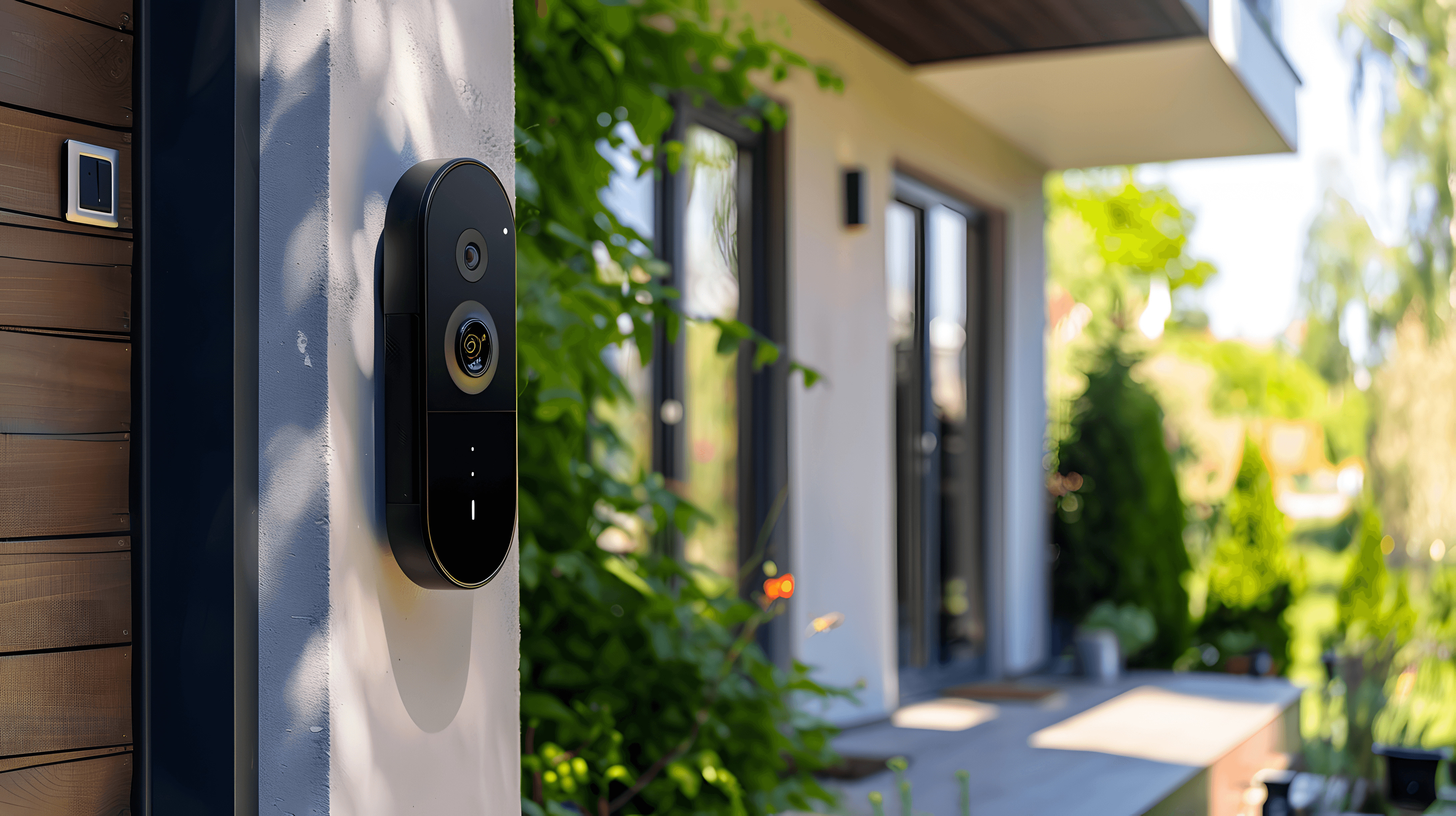
Advanced Doorbell Cameras
Smart doorbell cameras with two-way audio allow homeowners to see and communicate with visitors remotely, enhancing security and convenience.
Flexible and Multi-Functional Spaces
The design of new homes in 2025 reflects the changing nature of how we live and work.
Adaptable Rooms
New homes feature spaces that can serve multiple purposes. For example, a home office that doubles as a guest bedroom, or a nursery that can be transformed into a playroom as children grow, according to Builder and Developer.
Smart Furniture
Furniture in new homes is becoming smarter and more adaptable. Kitchen islands that double as dining tables, and workspaces that can be easily reconfigured are becoming common features. Entire condominiums, such as the Gryphon Nova in Vancouver, Canada, are being built with smart furniture that can create three different configurations of a room: Bedroom, office, and gym.

Aging-Friendly Design
With an aging population, new homes in 2025 are incorporating features that allow for comfortable and safe living for elderly residents.
Accessibility Features
Wider doorways, walk-in showers, and no-step entries are becoming standard in new home designs. These features ensure accessibility without compromising on style, according to Builder and Developer.
Electric Vehicle Integration
As electric vehicles become more prevalent, new homes are adapting to accommodate them.
Built-in EV Chargers
Many new homes in 2025 come with built-in electric vehicle chargers in the garage, making it convenient for homeowners to switch to electric transportation.
The new homes of 2025 are showcasing an impressive array of technological features that prioritize energy efficiency, health, security, and adaptability. These innovations are not just improving our daily lives but are also paving the way for a more sustainable and connected future. As we continue to embrace these advancements, our homes are becoming smarter, more efficient, and better equipped to meet the evolving needs of modern living.


