

Geared to support neurodivergent people at home, neuro-inclusive design centers on sensory-focused rooms, natural light, textiles, flexible features, and zone- defined layouts. While the approach is heavily rooted in science and the growing field of neuroaesthetics, the resulting design is simple, stylish and elevates functionality for the whole family.
Neurodivergent is an umbrella term that covers disorders and conditions where people perceive the world around them in atypical ways, such as attention-deficit/hyperactivity disorder, autism spectrum disorder, dyslexia and more.
“The goal of neuro-inclusive design is to create spaces that reduce stress, support focus, and bring more comfort, clarity, and calm to everyday life. Neuro-inclusive design can help to reduce sensory triggers, increase opportunities for self-regulation, and encourage rest and creativity,” says WELL and LEED accredited interior designer Sarah Barnard
While homeowners can always renovate to suit neuro-inclusive design, some elements are more easily incorporated at the planning and construction phase, such as adapting walls, lighting, and window placement, giving new construction homes an advantage.
Why Neuro-Inclusive Design is Trending For Homeowners
Neuro-inclusive design has been an effective tool in workplace and healthcare design for some time. It’s trending in residential design now too. Here is why.
1- A growing number of households are neurodiverse. It is estimated that between 15-20 percent of Americans identify as neurodivergent, and increasing.
2- Homeowners value inclusivity and accessibility in design. Universal design, which makes a home accessible to people of all ages and abilities, is a priority for homeowners. Neuro-inclusive design is part of that objective.
3- Neuro-inclusive design aligns with other trending styles. With a focus on natural materials, there is overlap with other popular design trends, such as biophilia, which makes it easy to incorporate, without compromising style.
4- Professional support. Builders and interior designers are being trained and certified in neuroaesthetics and neuro-inclusive design to meet growing demand, meaning lots of choice and support for homeowners. Meanwhile, the American Society of Interior Designers named neuro-inclusive design as one of the top trends for 2025 in its annual trend forecast.
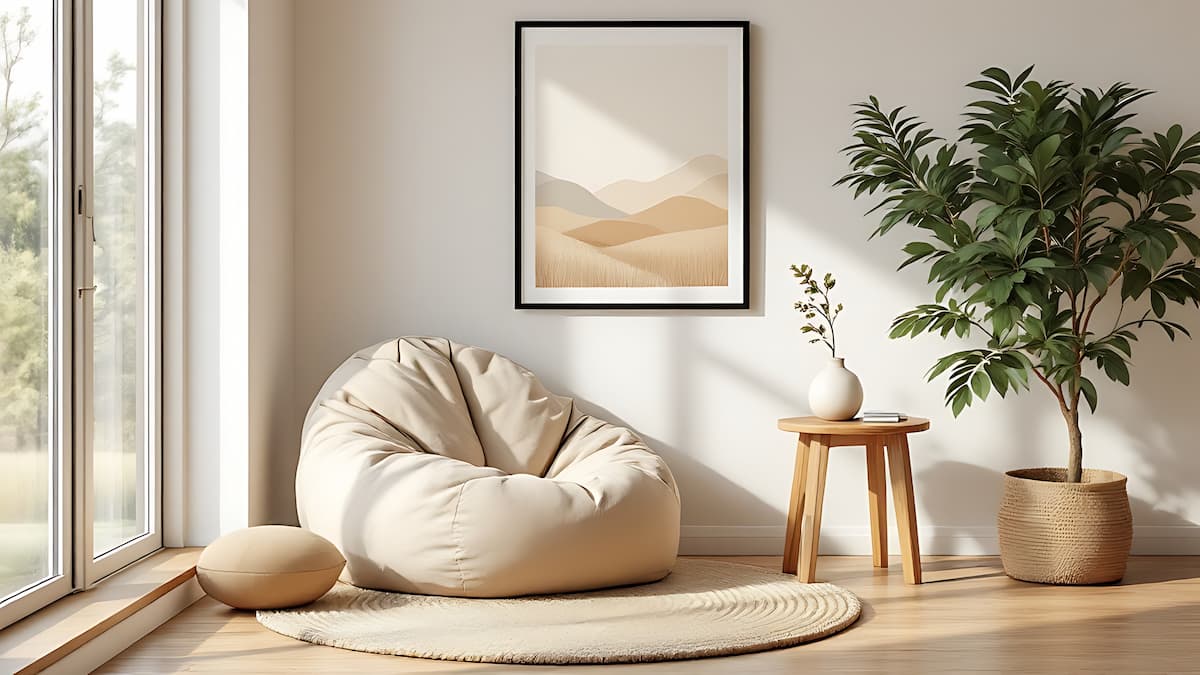
How to do Neuro-Inclusive Design at Home
Neuro-inclusive design dials in on sensory perception. Here are the key elements.
Open-Concept Layout, With Zones
Zones, as opposed to walls, gently ease transitions through space.
In neuro-inclusive design, zones should be divided into restful and active areas. Zones will be different depending on the age of the end user, explains Barnard.
“When designing for a child, consider creating a cozy nook for reading or therapy, a lofted hideaway or treehouse for imaginative play and quiet retreat, or a climbing wall and crash pad to support movement and help regulate energy,
For adults, consider prioritizing a quiet space insulated from adjacent sounds, with views of nature and a flexible furniture arrangement that can be configured to support focus or relaxation,” she says.
Flexibility offers stability in design, which is an important environment for the neurodiverse. The room adapts to the user, not the other way around.
Color That Calms
Think of color as a soulful backdrop of the design, where less is more.
“While certain hues may evoke a sense of calm, others may seem too bright or jarring,” says Barnard. ”Earthy color palettes that reflect the natural landscape of soft greens, muted blues, and warm neutrals are a wonderful place to begin.”
Lots of Light
Natural light is preferred, but having control over light conditions is almost as important, explains Barnard.
“Dimmers can be easily added to individually control ceiling, wall, table, and floor lamps, offering a simple way to personalize the experience.”
Incorporate Texture
Tactile materials play a key role in feeling comfortable and safe, particularly in creating space for de-escalation from stressful situations.
“Sensory seekers may find more complex textures to be appealing, while those sensitive to sensory input may prefer smooth fabrics. Exploring responses to a range of textures, from flat weaves to plush velvets, can help us determine the best options for an individual user,” says Barnard.
Use Biophilic Design
Being immersed in nature automatically calms, so incorporate biophilic design. Choose natural materials, like wood, stone and bamboo, water features, greenery and large windows that frame outside views.


