

Some new-home buyers are looking to build a home that they can “house hack.”
House hacking is the practice of using the home you live in to passively generate income to reduce or eliminate your monthly housing costs.
It’s very feasible to apply the strategy to new construction, and maybe actually be more cost efficient than retrofitting an existing home.
Why it matters: By incorporating rental features directly into your home’s design and build process, you can see long-term financial benefits with fewer of the compromises that come from modifying existing homes.
Benefits of New Construction for House Hacking
Flexibility:
New construction offers flexibility that existing properties can’t match. Homeowners can design custom layouts with separate entrances, kitchens, and utilities, tailored with house hacking in mind.
Common designs include:
Walkout basement apartments
Attached accessory dwelling units (ADUs)
Over-garage lofts
Full up-down duplexes
Modern materials:
New homes feature modern systems and materials, including energy-efficient insulation, updated electrical, and high-efficiency HVAC. These improvements reduce utility bills and minimize repair costs – both important considerations for landlords managing an income-producing unit.
With no legacy systems to update, new construction also lowers the risk of unexpected maintenance expenses, which can be a common problem in older properties.
This approach avoids the cost and complexity of post-purchase renovations, and ensures that the rental unit is fully code-compliant from day one.
Unexpected benefits:
One perhaps unexpected upside of building a home that doubles as a venue, as Bruce and Tracy Levinson did. The Levinsons live in a space that doubles (or should we say triples?) as an Airbnb and event space, and according to them, the facility is much nicer than a home they would have built for themselves otherwise.
“We made decisions to make this place to be much nicer,” Bruce Levinson said. “We wanted to have an elegant alternative to the rustic choices that other venues in the Wimberley Hill Country offer. So, we have a very elegant space and it's very upscale ... we spent a little bit more money than we normally would have.”

Passive Income Beyond Renting
While the most common method of house hacking involves renting out rooms in your home, that’s not the only way to do it.
Some house hackers, like Bruce and Tracy, have turned their home into more than just another Airbnb. The Levinsons’ home, which does include rentable rooms, doubles as The Bell House Wimberly in Wimberly, Texas, a venue for weddings and other events.
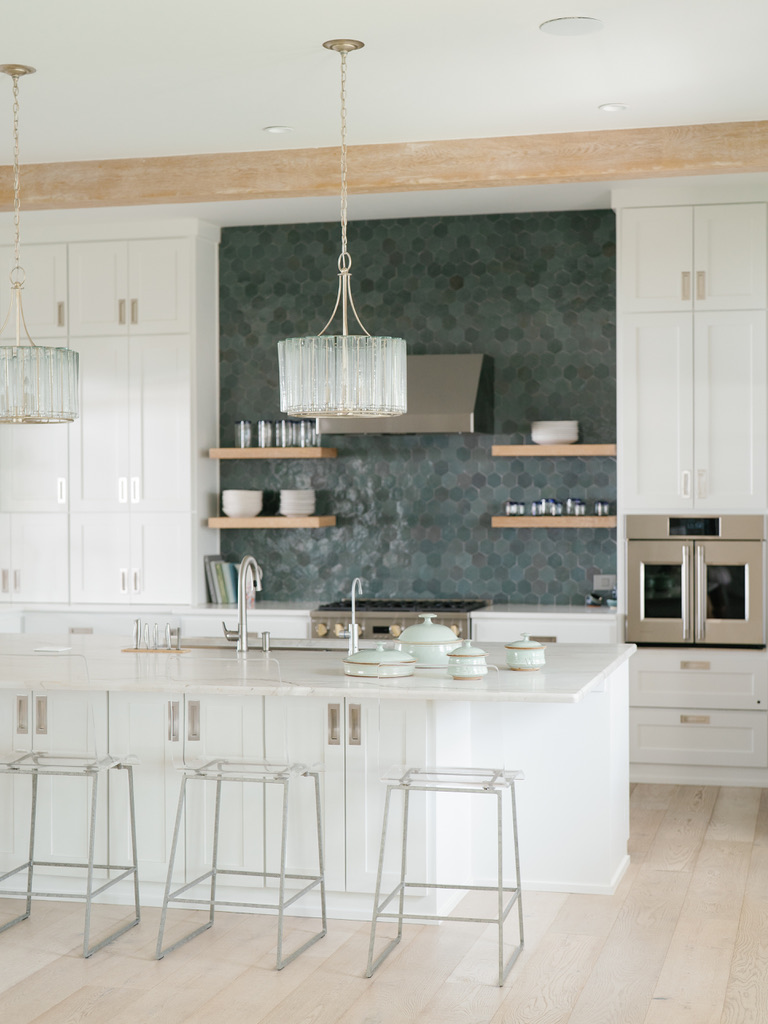
“So, we're a wedding-related facility [for] small, micro weddings, really, 45 people or less,” Bruce Levinson said. “We also do corporate events.” The Levinsons also host cooking classes at The Bell House, and outfitted their kitchen with GE Monogram appliances to do so. This has led to another money-making opportunity for them.
Bruce explains that GE Monogram works in conjunction with Ferguson Home appliances to stock their appliances. The Levinsons then work with Ferguson Home to bring a chef out to use those appliances to host a cooking class.
“They’ve been coming [to The Bell House] the last three Novembers and they bring in customers to our space,” Bruce said.
Financing a New Build for House Hacking
Loan considerations:
Financing a new construction home for house hacking can be surprisingly accessible. Owner-occupants building a multi-unit property may qualify for low down payment options, such as FHA or VA loans, provided they live in one of the units.
In some cases, lenders allow projected rental income to be factored into loan qualification, making it easier for buyers to afford larger or more valuable homes.
Tax considerations:
For the Levinsons, two financial factors helped them be confident in building a custom home designed for house hacking. First off, he said, they knew that if they could successfully host events, they would eventually see a return on their investment. Secondly, several of their building purchases were tax deductible, which helped ease the upfront costs.
“Getting a tax deduction is certainly hugely valuable when you're running a venue,” Bruce said. “But it gets really complicated when you live in the same space where you're operating the business.”
When you house hack, you’re living in the space, which blurs the line a bit on personal vs. business expenses. If you’re in a separate unit, like a duplex, it’s less complicated: any expense related to the rented unit is deductible. If you live in a venue, like the Levinsons’ Bell House, it requires some math.
“You have to take a look at the overall square footage and do some math on the percentage of square footage of the venue spaces relative to the overall space,” Bruce said.
Bruce also stressed the importance of working with an accountant to make sure every expense is clearly defined and above board.
“That would be my recommendation to anybody who's getting in the business of house hacking,” he said. “It is a wonderful opportunity to get some tax deductions, but if you're not that knowledgeable in that area, you need to get knowledgeable or get a good accountant who can share the knowledge with you. You don't want to lose out on an opportunity to help reduce some of the costs that you're putting into the business.”
The following can all qualify as tax deductible, as long as they benefit the rental units or their tenants, according to The Cummings and Cummings Law Journal:
Repairs and maintenance such as roofing and siding repairs
Utilities such as electricity, water, and landscaping
Home offices used exclusively for business purposes
“There are items sometimes that are 100% purely for the venue,” Bruce said. “A bunch of lumber goes into the building of the space and then a bunch of drywall and a bunch of paint. All of that's going to be deductible because that goes into the building.”
Certain building expenses (like structural additions or long-term improvements) must be capitalized and depreciated over time, not deducted all at once. If you decide to sell, for example, you’ll have to pay capital gains tax on the profit you make from the sale.
The Fine Print: Legal Factors From Lot to Lease
“We're in a weird situation because our house is zoned commercial with residential use. So that kind of put us in a neat spot for us to be living here,” Tracy Levinson said. “If your spot's not zoned for business and you want to run a business, that’s a problem.”
Select the right lot and zoning: Local zoning laws must permit duplexes, ADUs, or rentals. Buyers should confirm these regulations before purchasing land or signing a build contract.
Choose a builder with multi-unit experience: Contractors familiar with income-suite designs will understand the needs of a build designed for house hacking.
Use strategic financing: Buyers should look for programs that include future rental income in their underwriting process.
Prepare to market the rental unit: Whether opting for long-term tenants, short-term guests, or furnished month-to-month leases, the income-generating unit should be positioned to appeal to the target market and meet all legal requirements.
The Bottom Line
Like any big financial commitment, building a new home to both live in and passively generate income comes with both advantages and disadvantages.
“Patience is one of the biggest, most important principles for anyone who wants to get into house hacking, and being willing to start small and then pivot if you need to pivot,” Tracy said.
As for drawbacks, construction timelines can extend beyond initial estimates, and rising material or labor costs may impact the final budget. Additionally, local restrictions on ADUs or short-term rentals can limit income potential.
“The risk/reward thing is the thing you have to think about,” the Levinsons said. “If you're comfortable with the level of the risks and the level of the rewards, then you move forward.”
For buyers looking to blend personal housing with passive income, building a new home with house hacking in mind from the beginning offers a modern, customizable platform for success.
Follow NewHomeSource on Facebook, X, and Instagram, and visit newhomesource.com/news for the latest industry trends and news.


