

For years, the typical homebuying journey followed a familiar pattern, with couples moving from starter homes to larger spaces as their families grew. Today, that path is expanding. A rising number of buyers are purchasing homes on their own, and that shift is reshaping the housing market in meaningful ways.
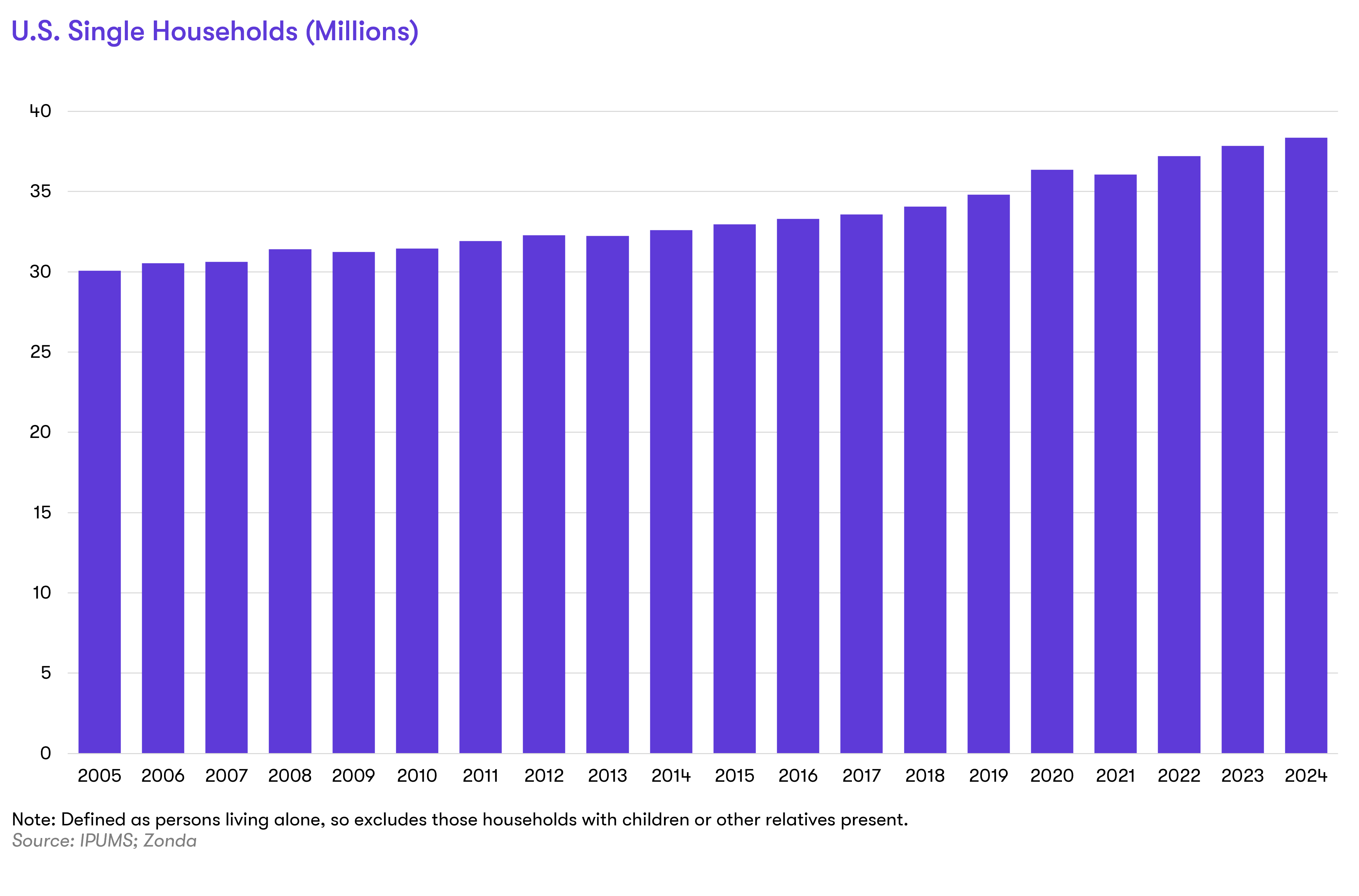
According to recent U.S. Census Bureau data, about 38.3 million households in 2024 consisted of adults living alone with no children, representing nearly three in 10 households nationwide. This reflects broader lifestyle changes such as people marrying later, living longer, and prioritizing education and career opportunities. As solo living becomes more common, the definition of a “typical” homebuyer continues to evolve.
What This Means for Your Home Search
If you are shopping for a home on your own, your needs may look different from those of a larger household. Instead of extra bedrooms, you may prioritize smart layouts, flexibility, and spaces that support your daily routine, such as a home office or a low maintenance design.
“Smaller homes, townhomes, and condos are popular among solo buyers,” said Ali Wolf, chief economist for NewHomeSource. “These options often come with lower upkeep and can provide a more accessible entry point into the market.” For many, the goal is finding a home that feels comfortable and manageable rather than simply maximizing square footage. Buying a home on a single income requires careful planning. Monthly payments, maintenance costs, and long-term flexibility all play a role in choosing the right property. Staying within a comfortable budget can help you adapt to future changes, whether that includes a new job or a shift in personal plans.
A Market That Is Expanding With You
The rise in single person households is not just changing who is buying homes. It is also influencing what gets built. More communities are introducing designs that cater to solo living, from efficient floor plans to shared amenities like fitness centers and co-working spaces.
As a buyer, this means more choice and a better chance of finding a home that truly fits your lifestyle. As the market continues to evolve, one thing is clear. There is no longer a one size fits all approach to homeownership.


